


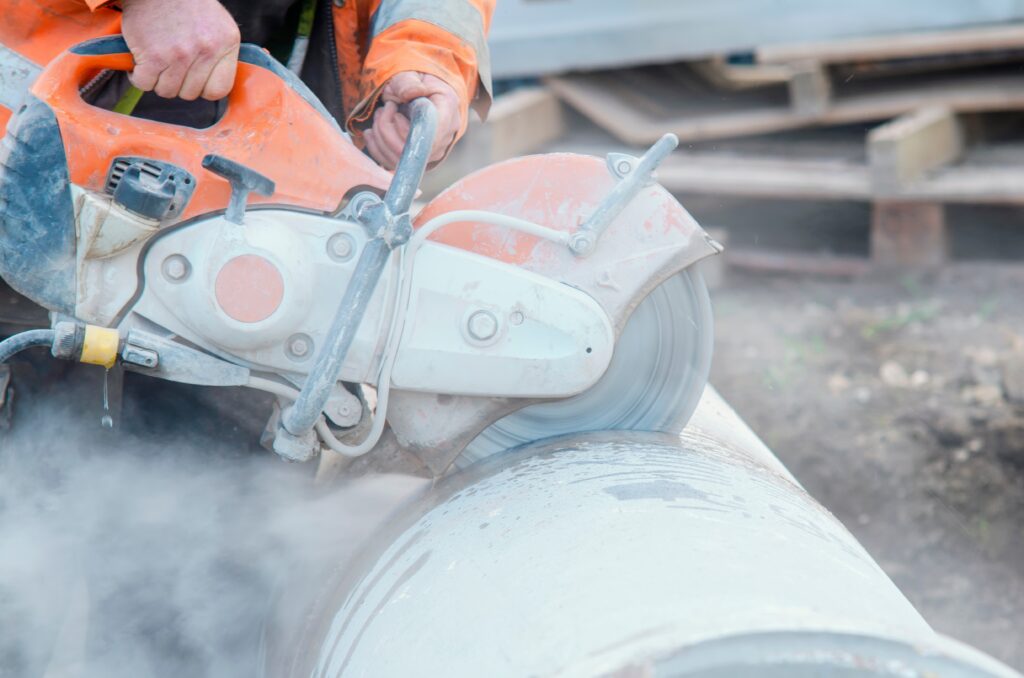
After years of working in construction, manufacturing, mining, or any industrial setting in Tennessee, there is a good chance you have breathed in silica dust without fully understanding what it was doing to your lungs. Silica dust is not visible the way smoke is. It does not burn your throat or make you cough the first time you encounter it. The damage happens insidiously, accumulating quietly over months and years, and by the time it causes noticeable symptoms, serious and irreversible lung damage has often already occurred.
Aubrey Givens & Associates represents Tennessee workers who have developed silicosis and other occupational lung diseases as a result of workplace exposure. Our Tennessee workers' compensation lawyers understand how these cases work and are here to help you understand your rights. Call (615) 248-8600 for a free case review.
What Is Silica Dust and Silicosis?
Silica dust is one of the most dangerous occupational health hazards in the country, and it is also one of the least discussed outside of safety circles. Understanding what it is and how it harms the body is the foundation for understanding why Tennessee workers need to take it seriously.
Plain-English Explanation of Silica Dust
Silica is a naturally occurring mineral found in sand, rock, concrete, brick, mortar, and many types of soil. When materials containing silica are cut, drilled, ground, or disturbed, tiny particles of crystalline silica become airborne. These particles are so small they cannot be seen with the naked eye, and they travel deep into the lungs when inhaled. Unlike larger dust particles that the body can clear through normal respiratory function, fine respirable silica particles lodge in the lung tissue permanently.
How Silicosis and Other Lung Diseases Develop Over Time
When silica particles embed in lung tissue, the immune system responds by attempting to break them down. It cannot. The resulting inflammation causes scar tissue to form in the lungs, a process called fibrosis. As scar tissue accumulates, the lungs lose their ability to expand and transfer oxygen into the bloodstream. This progressive scarring is silicosis, and it has no cure.
Silicosis develops in three recognized patterns. Chronic silicosis develops after ten or more years of low-to-moderate exposure and progresses slowly. Accelerated silicosis develops within five to ten years of higher-level exposure. Acute silicosis develops after short-term, very high-level exposure and can progress rapidly to respiratory failure. Beyond silicosis itself, silica exposure is also linked to lung cancer, chronic obstructive pulmonary disease, tuberculosis reactivation, and autoimmune conditions including rheumatoid arthritis and lupus.
Common Tennessee Job Tasks That Generate Dangerous Dust
Silica exposure does not require working in a mine or quarry. It occurs in a wide range of ordinary job tasks performed across Tennessee every day. High-exposure activities include:
- Cutting, grinding, drilling, or sawing concrete, stone, or masonry
- Sandblasting or abrasive blasting using silica-containing sand or other materials
- Mixing, pouring, or handling dry concrete, mortar, or cement products
- Demolishing or renovating buildings with brick, block, or concrete construction
- Tunneling, excavating, or earthmoving in areas with silica-bearing soil or rock
- Working in foundries where silica-containing molds or casting materials are used
- Manufacturing ceramic, glass, or refractory products involving silica-based raw materials
Real-World Examples From Tennessee Job Sites
A construction worker in Nashville cutting concrete blocks with an angle grinder without water suppression or respiratory protection can inhale a dangerous concentration of silica particles in a single work shift. A factory worker in Memphis handling dry silica sand for industrial processes over years of employment can accumulate enough exposure to develop chronic silicosis even without any single dramatic exposure event. A demolition crew member in Knoxville breaking up old masonry without dust controls faces exposure that OSHA has documented as among the highest risk scenarios in the construction trades.
In each of these scenarios, the exposure was preventable. Employers who fail to implement required controls are not simply cutting corners. They are exposing workers to a known occupational disease hazard with life-altering consequences.
Industries in Tennessee Most at Risk for Silica Exposure
Though you may be at risk for silica exposure in many different (and unexpected) careers, there are some that carry with them a notably higher risk factor.
Construction and Demolition Workers
Construction workers represent the largest group of silica-exposed workers in Tennessee. Concrete work, masonry, roofing, highway construction, and demolition are all high-exposure activities. Tennessee's ongoing growth in construction activity across Nashville, Memphis, Knoxville, and Chattanooga means a large and growing workforce is encountering silica hazards daily. Workers in these trades are often young when exposure begins, meaning cumulative exposure can be substantial by the time they are middle-aged.
Manufacturing, Industrial, and Factory Workers
Tennessee has a significant manufacturing base, and many manufacturing processes involve silica-containing raw materials or produce silica dust as a byproduct. Foundry workers, glass manufacturing employees, ceramic and pottery workers, and those involved in producing construction materials all face elevated exposure. Factory environments where silica dust accumulates in ventilation systems, on floors, or on equipment surfaces create ongoing exposure even for workers not directly involved in primary production tasks.
Mining, Sandblasting, and Other High-Dust Jobs
Workers in Tennessee's mining, quarrying, and aggregate industries face some of the highest silica exposure levels of any occupation. Sandblasting and abrasive blasting operations, which are used across industries for surface preparation and cleaning, historically used pure silica sand and remain a significant exposure source even where silica sand has been replaced with other abrasive materials that may still contain crystalline silica.
Silicosis Symptoms Tennessee Workers Should Not Ignore
Because silicosis symptoms tend to be gradual and easy to rationalize, many workers do not seek evaluation until the disease has progressed significantly. It is vitally important that you be aware of these warning signs and seek immediate medical help if you begin showing signs of exposure.
Early Warning Signs
The earliest symptoms of silicosis are often dismissed as signs of aging, seasonal allergies, or general respiratory irritation from working in dusty conditions. Workers should take the following symptoms seriously and seek medical evaluation, particularly if they have a history of dusty work:
- A persistent cough that does not resolve on its own
- Shortness of breath during physical activity that was not previously limiting
- Fatigue that seems disproportionate to activity level
- Chest tightness or a feeling of reduced lung capacity
Any worker with a history of silica exposure and respiratory symptoms should request evaluation from a physician familiar with occupational lung disease, not just a routine checkup.
Long-Term Health Effects and Complications
As silicosis advances, symptoms intensify and complications multiply. Workers with progressing disease may experience:
- Increasingly severe shortness of breath, including at rest
- Recurrent respiratory infections that are difficult to recover from
- The need for supplemental oxygen in advanced stages to maintain adequate blood oxygen levels
- Progressive massive fibrosis, a severe form involving large areas of scarred lung tissue that can cause respiratory failure
- Significantly elevated risk of active tuberculosis
- Elevated risk of lung cancer
- Systemic autoimmune diseases including rheumatoid arthritis and lupus
A silicosis diagnosis is rarely the only health consequence a worker faces. The disease frequently sets off a cascade of related conditions that compound over time.
Employer Safety Duties and OSHA Silica Rules
While these risks can be daunting, keep in mind that there are guidelines and safety procedures in place to protect you and your loved ones from silica exposure.
Exposure Limits, Dust Controls, and Respirators
OSHA's Respirable Crystalline Silica standard, which applies to both general industry and construction, sets a permissible exposure limit of 50 micrograms of silica per cubic meter of air over an eight-hour work shift. This standard also requires employers to use engineering controls such as wet methods and local exhaust ventilation to reduce dust at the source, provide appropriate respiratory protection when engineering controls alone cannot achieve the exposure limit, conduct air monitoring to assess worker exposure levels, provide medical surveillance for workers with significant silica exposure, and train workers on the hazards of silica and the protective measures in place.
Tennessee operates its own occupational safety and health program through the Tennessee Occupational Safety and Health Administration, which enforces standards at least as protective as federal OSHA requirements.
What It Means When Employers Cut Corners on Safety
When employers fail to implement required dust controls, skip air monitoring, provide inadequate or no respiratory protection, or neglect to train workers about silica hazards, they are violating safety standards designed specifically to prevent the disease their workers are now developing. These failures are not abstractions. They are the direct cause of preventable lung disease in real people, and they have legal consequences for workers seeking compensation.
An employer's OSHA violation history, documented dust monitoring results, and the conditions on specific job sites are all potentially relevant evidence in a workers' compensation or silicosis lawsuit claim.
Can Tennessee Workers Get Compensation for Silicosis?
Tennessee's workers' compensation system covers occupational diseases, including silicosis, when the disease arises out of and in the course of employment. A worker does not need to have been injured in a single accident. An illness that develops gradually from cumulative workplace exposure qualifies as a compensable occupational disease under Tennessee law.
How Occupational Disease Claims Work in Workers' Comp
Filing an occupational disease workers' comp claim requires establishing that the disease is causally connected to workplace exposure, that the exposure occurred in the course of employment, and that the disease resulted in disability or the need for medical treatment. For silicosis cases, this typically means documenting the work history showing exposure, obtaining a medical diagnosis from a physician who can link the disease to occupational silica exposure, and filing the claim within the applicable timeframe under Tennessee law.
Workers' compensation benefits available for silicosis may include payment of medical treatment costs, wage replacement for time missed from work, and permanent disability benefits when silicosis causes lasting impairment of the ability to work.
What Evidence Helps Connect Your Illness to Work
Building a successful occupational disease claim requires documentation. Useful evidence includes employment records showing your work history and job duties, any air monitoring reports or safety records from your employer, medical records documenting your diagnosis and treatment, a physician's written opinion connecting your diagnosis to occupational silica exposure, and coworker testimony about working conditions and exposure levels. An attorney experienced in occupational disease claims can help identify and preserve this evidence before it becomes unavailable.
If your silicosis diagnosis is connected to a product or material that was defective, mislabeled, or lacked adequate safety warnings, a silica dust lawsuit based on product liability or mass torts and dangerous product claims may be available in addition to workers' compensation.
When to Talk to a Tennessee Workers' Compensation Lawyer
Do You Have a Case? Questions to Ask Yourself
Consider speaking with an attorney if any of the following apply to your situation if you:
- Have been diagnosed with silicosis, pulmonary fibrosis, or another lung disease
- Have a history of working in construction, manufacturing, mining, sandblasting, or another dusty occupation
- Are experiencing persistent respiratory symptoms and have a history of silica exposure
- Employer did not provide adequate dust controls, respiratory protection, or training about silica hazards
- Workers' compensation claim has been denied or you are not sure how to file one
- Are no longer working at the same employer where the exposure occurred
The last point is important. You do not have to be currently employed by the responsible employer to file a claim. Occupational disease claims in Tennessee can be filed based on past exposure, even if you have since changed jobs or retired.
What Givens Law Can Do for Tennessee Workers
Aubrey Givens & Associates helps Tennessee workers navigate the occupational disease claims process from the initial evaluation through resolution. As Nashville workers' compensation lawyers with experience in silicosis and occupational lung disease cases, we understand the medical and legal evidence needed to support these claims, how to work with occupational medicine specialists to document the connection between exposure and diagnosis, and how to pursue every available avenue of recovery including workers' compensation benefits and civil claims where appropriate.
Contact Aubrey Givens & Associates at (615) 248-8600 or schedule a free consultation with our legal team today. Tennessee workers dealing with silica exposure deserve answers and the help of an experienced occupational injury attorney who takes their situation seriously. We represent workers on a contingency basis, meaning you pay no fees unless we recover compensation for you
Frequently Asked Questions About Silica Dust and Silicosis in Tennessee
What is silicosis?
Silicosis is a progressive, irreversible lung disease caused by inhaling fine particles of crystalline silica. It causes scarring of the lung tissue that reduces lung capacity over time. There is no cure, but treatment can slow progression and manage symptoms.
Can workers get compensation for silicosis in Tennessee?
Yes. Silicosis qualifies as a compensable occupational disease under Tennessee workers' compensation law when it arises from workplace exposure. Benefits may include medical care, wage replacement, and permanent disability compensation depending on the severity of the illness.
What if I am no longer working at the same job where I was exposed?
You can still pursue a workers' compensation claim. Occupational disease claims are based on the exposure that caused the disease, not your current employment status. An attorney can evaluate your work history and advise on which employer's coverage applies.
How long do I have to file a workers' comp claim for silicosis in Tennessee?
Deadlines for occupational disease claims in Tennessee are tied to when the worker knew or should have known that the disease was work-related. Because silicosis develops over time, the clock often starts from the date of diagnosis rather than the date exposure began. Consulting an attorney promptly after a diagnosis is important to ensure you do not miss applicable deadlines.
What if my employer says my lung problems are not work-related?
Employers and their insurance carriers frequently dispute the occupational connection in silicosis cases. An attorney can help you obtain medical evidence from occupational disease specialists who can document the connection between your diagnosis and your work history, which is often decisive in these disputes.